Pool Cleaners: Pool Cleaning Made Easy
Effortless Maintenance For Crystal-Clear Water
Spend less time cleaning and more time enjoying your pool with automatic pool cleaners from Mr. Pool of Pasco & Crystal River. We offer a selection of suction, pressure, and robotic pool cleaners designed to simplify routine maintenance and help keep your pool clean, clear, and ready for swimming.
Our lineup features trusted pool-cleaning brands including Maytronics, Polaris, Hayward, and Dirt Demon, with solutions for a variety of pool types, equipment setups, and cleaning needs.
Pool Cleaners Designed for Easier Maintenance
Depending on the model and your pool’s existing equipment, automatic pool cleaners can help:
- Connect to your existing pump and filtration system on compatible setups
- Reduce or eliminate the need for a booster pump with compatible pressure-cleaning systems
- Remove leaves, dirt, grass, insects, and fine debris
- Reduce manual cleaning time through automated operation
- Provide efficient, low-maintenance pool cleaning
Visit Our Showrooms
Visit our Hudson or Crystal River showroom to explore automatic pool cleaners from trusted brands, including Maytronics, Polaris, Hayward, and Dirt Demon. Our Pool & Spa Specialists can help you compare robotic, suction, and pressure cleaners based on your pool type, size, existing equipment, debris levels, maintenance needs, and budget.
Less cleaning. More swimming. Better pool care.
Have Questions? Our Pool Experts Are Here to Help!
Have questions about automatic pool cleaners and robotic pool cleaners? The knowledgeable team at Mr. Pool of Pasco & Crystal River helps homeowners throughout Pasco County, Citrus County, and surrounding Florida communities find the right pool-cleaning solution for their pool, equipment setup, and maintenance needs.
What is the best pool cleaner for above-ground pools?
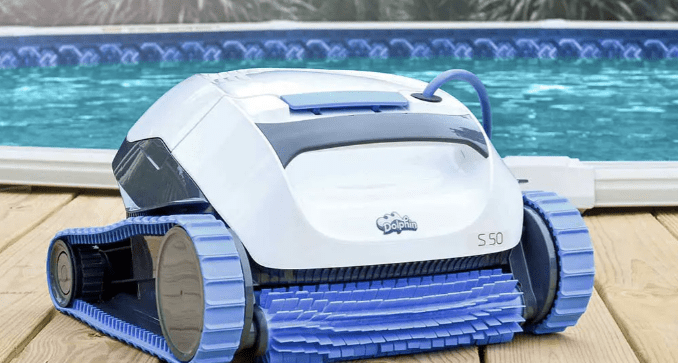
The best cleaner depends on your pool size, surface, shape, existing equipment, debris levels, and cleaning preferences. For compatible above-ground pools, Mr. Pool recommends the Maytronics Dolphin S50 robotic pool cleaner as one option designed to simplify routine pool cleaning with automated operation. Our Pool & Spa Specialists can help you determine whether the Dolphin S50 or another cleaner is appropriate for your pool.
What is the difference between robotic, suction, and pressure pool cleaners?
Mr. Pool offers robotic, suction, and pressure pool cleaners, each with different operating methods and equipment requirements.
Robotic pool cleaners: Operate independently using an electrical power source and their own cleaning and filtration components. Many models can automatically scrub and collect debris without relying on the pool’s pump and filter system for cleaning.
Suction pool cleaners: Connect to the pool’s suction system, typically through the skimmer or a dedicated suction line, and use the pool pump to move the cleaner and collect debris.
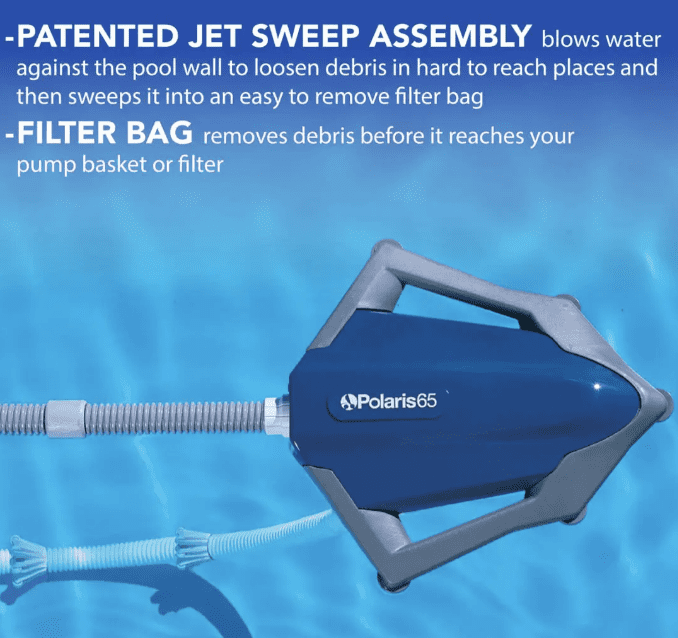
Pressure pool cleaners: Use water pressure from the pool’s return system to move around the pool and collect debris. Some models require a dedicated booster pump, while others are designed to operate without one.
Do pool cleaners work automatically?
Yes. Automatic pool cleaners are designed to clean your pool with limited manual intervention. Depending on the model, you may need to place the cleaner in the pool, connect it to the appropriate equipment, configure its settings, and remove or empty its debris collection system periodically. Robotic cleaners generally provide the highest level of automated operation.
How often should I clean my above-ground pool?
Cleaning frequency depends on weather, pool usage, surrounding trees and vegetation, debris, water conditions, and the type of cleaner you use. Some pools may require cleaning several times per week, while others may need less frequent cleaning. During Florida’s rainy or windy periods, more frequent cleaning may be necessary. Your automatic cleaner can help reduce the amount of manual brushing, vacuuming, and debris removal required.
Can pool cleaners remove algae?
Some pool cleaners can remove or collect algae and other debris from pool surfaces, particularly models equipped with appropriate brushes and fine filtration. However, a pool cleaner is not a substitute for proper water chemistry, circulation, filtration, and sanitation. Persistent algae generally requires correcting the underlying water-care issue in addition to physically cleaning the pool.
Are robotic pool cleaners worth it?
For many pool owners, robotic cleaners can be a convenient investment because they automate much of the routine cleaning process. Potential benefits include:
- Less manual vacuuming and brushing
- Automated cleaning cycles
- Independent cleaning operation on compatible models
- Built-in debris collection on many models
- Convenient cleaning for busy homeowners
Whether a robotic cleaner is worth the investment depends on your pool size, cleaning needs, budget, existing equipment, and desired level of automation.
Do pool cleaners use a lot of electricity?
Energy use depends on the type and model of cleaner. Robotic pool cleaners use electricity to power their motors and cleaning systems. Many are designed for efficient operation and may include programmable cleaning cycles or automatic shutoff features. Suction cleaners use the pool’s circulation system and pump. Pressure cleaners use water pressure from the pool circulation system, with some models requiring a separate booster pump. For specific energy consumption, check the manufacturer’s specifications for the cleaner you are considering.
How long do pool cleaners last?
Pool cleaner lifespan varies based on cleaner type, construction, frequency of use, water chemistry, maintenance, storage, and environmental conditions. Regularly inspecting and cleaning the cleaner, removing debris from its components, and following the manufacturer’s maintenance recommendations can help extend its service life.
Signs that a pool cleaner may need repair or replacement include:
- Repeated mechanical or electrical problemsActual lifespan depends on usage and maintenance.
- Reduced cleaning performance
- Unusual noises
- Damaged hoses or connections
- Worn brushes or wheels
- Reduced suction or water flow
Average lifespan by type:
- Robotic cleaners: 5+ years
- Suction cleaners: 3 – 4 years
- Pressure cleaners: 2 – 3 years
Can pool cleaners handle leaves and debris?
- Maytronics Dolphin cleaners: Handle dirt, leaves, pine needles, and algae
- Dirt Demon cleaners: Designed specifically for fine dirt and sediment
What maintenance do pool cleaners need?
Routine pool care includes maintaining proper water chemistry. Liquid chlorine is commonly recommended as an affordable and effective shock treatment.
What brands of pool cleaners are the best?
The most reliable and best-performing pool cleaners are Dolphin robotic cleaners manufactured by Maytronics.